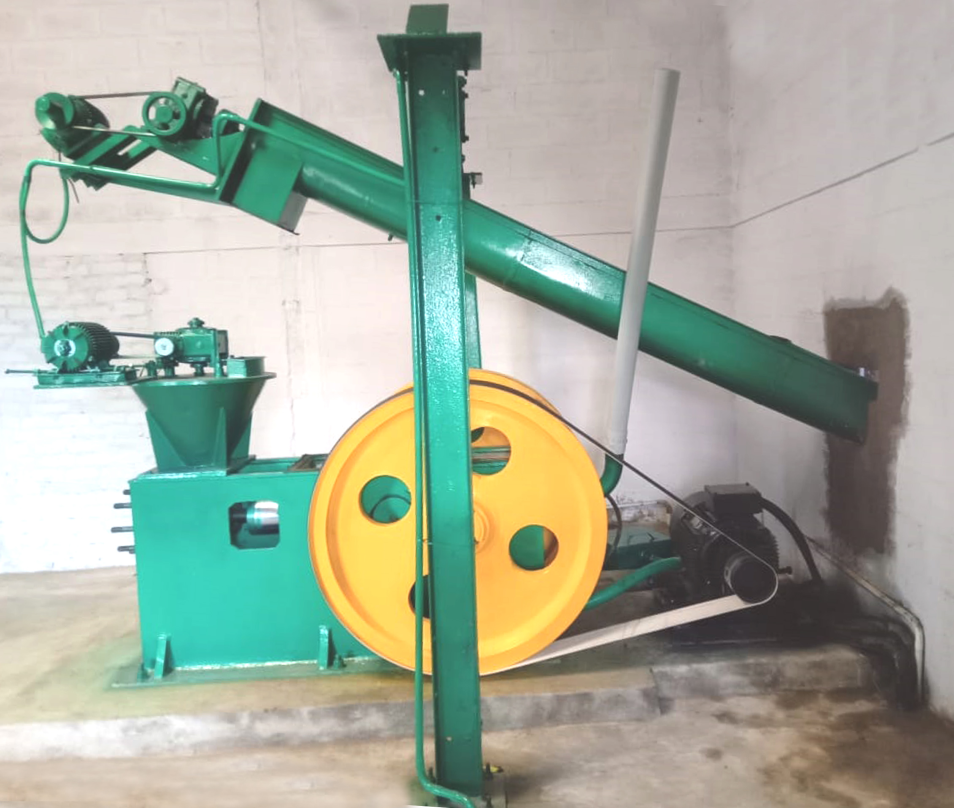
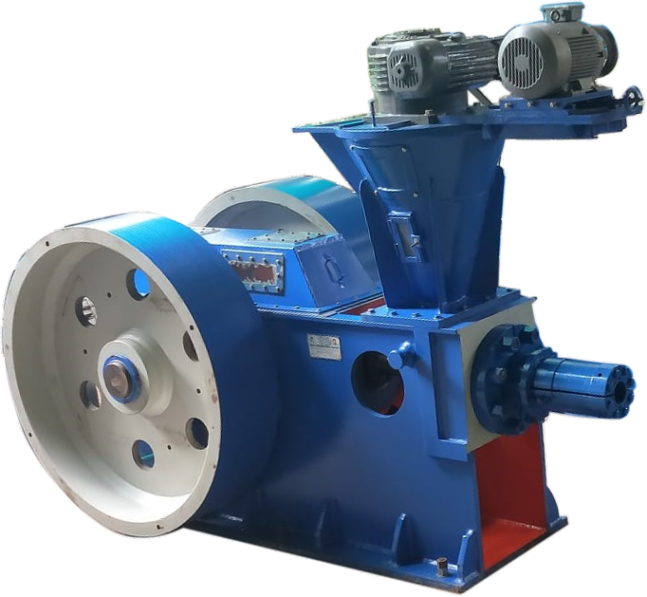
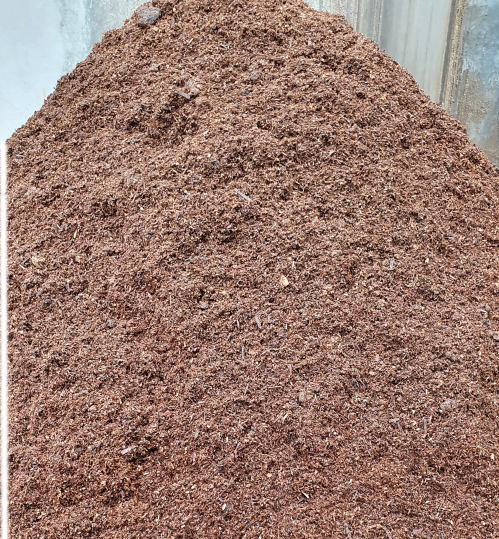
The Biomass Briquette Making Machine is designed to produce high-quality wood briquettes using low-cost raw materials such as sawdust, rice husk, corn cobs, peanut shells, cotton stalks, tree branches, and almost any kind of agro or forestry waste. The resulting briquettes are high in density, making them an excellent source of fuel.
The Biomass Briquette Machine converts agricultural and forestry waste into compact briquettes. Briquetting essentially means compressing loose biomass material into a denser form, making it easier to transport, store, and use while significantly increasing its calorific value.
This machine produces high-quality briquettes without the need for any binder or chemical additives. It works by compacting raw material with the help of a high-pressure mechanical punch. During this process, the temperature rises naturally, allowing the raw material to release lignin and other natural adhesives. These act as a binding agent, holding the briquettes firmly together. This process is known as binder less technology.